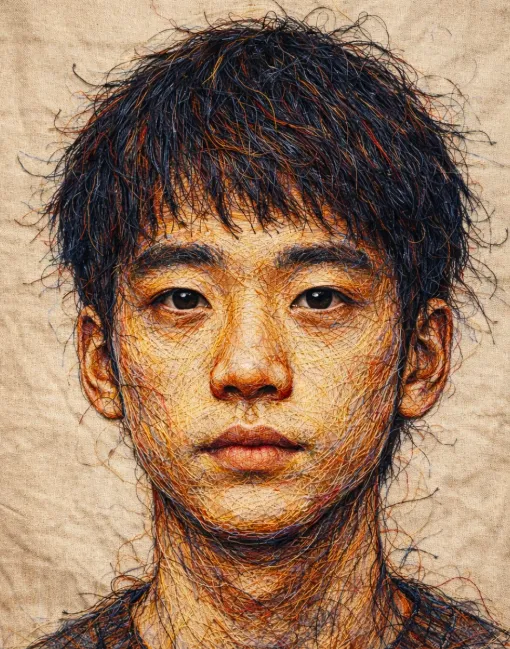
Threaded Identity
Om Editing Top: Threaded Identity ka matlab kya hai?
Om Editing Top style mein “Threaded Identity” ek aisa artistic portrait concept hai jo face ko normal photo ki tarah nahi, balki embroidery aur thread art ki tarah dikhata hai. Is style mein wajah ko center mein rakha jata hai, expression calm hota hai, aur overall look premium textile artwork jaisa feel deta hai. Yeh un logon ke liye useful hai jo AI portrait, digital art, profile picture concepts, ya creative poster-style visual banana chahte hain.
Read Also: cinematic-style realistic portrait | 2026 New Year
Is prompt/photo style ka main attraction realism aur handcrafted texture ka blend hai. Aapko aisa result milta hai jisme face ki structure clear hoti hai, lekin surface fabric aur stitching se banta hua dikhta hai. Is wajah se image ek simple portrait se zyada expressive lagti hai—jaise kisi artist ne time lekar har line, fold, aur contour ko thread se build kiya ho.
Yeh style especially designers, content creators, Instagram editors, thumbnail makers, aur textile-art lovers ke liye kaam ka hai. Agar aap ek unique visual chahte hain jo eye-catching ho aur premium art feel de, to Om Editing Top style ka threaded portrait idea kaafi strong option hai.
This Style se aapko kya visual result milta hai?
Is type ke output mein sabse pehle jo cheez notice hoti hai, woh hai rich texture. Face smooth paint jaisa nahi dikhta; instead, layers of thread aur stitched lines se bana hua lagta hai. Lighting soft hoti hai, isliye har stitch aur fiber ka depth clearly dikhta hai. Mood generally calm, artistic, aur slightly dramatic hota hai.
Color palette bhi is style ka important part hota hai. Deep blues, reds, yellows, cream tones, aur earthy shades milkar ek warm-but-detailed look banate hain. Thread layers se skin-like illusion create hota hai, jabki loose threads aur messy strands beard ya hair ko organic feel dete hain. Is se portrait zyada alive aur handcrafted lagta hai.
Composition usually front-facing aur symmetrical hota hai, jisse face strong aur balanced dikhe. Background mein textured cotton ya fabric type surface hoti hai jo handmade feel ko aur enhance karti hai. Final image ka effect premium textile art, fiber portrait, aur hyper-detailed embroidery illustration jaisa aata hai.
- Lighting: soft, even, aur texture highlight karne wali
- Mood: calm, serious, artistic, neutral
- Colours: multi-color thread tones with earthy and cool accents
- Composition: centered face, symmetrical framing, strong eye focus
- Texture: dense stitching, layered fibers, loose thread details
This Style prompt ko mobile par kaise use karein?
Agar aap beginner hain, to is style ko use karna actually simple hai. Sabse pehle aapko ek clear face photo select karni hoti hai jisme expression natural ho aur face front ke toward ho. Phir us photo ko us app ya tool mein upload kijiye jahan aap image-to-image ya reference-based editing karte hain.
Uske baad style prompt ya effect settings mein threaded embroidery, textile portrait, fiber art, ya handcrafted realism jaise visual directions use kiye ja sakte hain. Agar platform reference face support karta hai, to identity ko same rakhne ke liye source photo ko primary reference bana kar apply karein. Mobile par kaam karte waqt zoom karke preview check karna zaroori hota hai, taaki eyes, face symmetry, aur stitching quality clearly dikh sake.
Best results ke liye process ko step-by-step follow karein:
- Ek sharp, front-facing portrait photo choose karein.
- Photo ko app mein upload karein aur reference mode on karein.
- Thread art ya textile portrait style select karein.
- Lighting ko soft aur even rakhein, harsh shadows avoid karein.
- Preview check karke face alignment aur texture balance verify karein.
- Agar needed ho, output ko upscale ya refine karke final save karein.
Mobile users ke liye sabse important cheez patience hai. Ek hi click mein perfect result na aaye to slight variations try kijiye—jaise more texture, softer lighting, ya stronger thread detail. Is se aapko zyada polished Om Editing Top output mil sakta hai.
Kaunsi photos This Style ke liye sabse achchi hoti hain?
Is style mein photo selection bahut important hai, kyunki thread-based portrait face structure ko closely follow karta hai. Best photos woh hoti hain jisme subject ka face clearly visible ho, camera angle front ya near-front ho, aur facial features obscure na hon. Blurry ya low-light images mein thread details proper define nahi hote.
Resolution bhi kaafi matter karti hai. High-resolution photo se eyes, nose, lips, jawline, aur beard pattern better preserve hota hai. Agar image mein face already center mein hai, to final artwork symmetrical aur balanced aata hai. Background simple ho to subject zyada strong dikhta hai, aur textile texture ka effect better stand out karta hai.
Clothing aur lighting bhi result ko influence karte hain. Neutral ya plain clothing better hoti hai, kyunki highly busy patterns thread art look ko clutter kar sakte hain. Soft daylight, diffused indoor light, ya studio-style even lighting best hoti hai. Strong backlight, harsh face shadows, aur extreme side angles avoid karein.
- Angle: front-facing ya slightly front-tilt
- Resolution: clear, high-quality, sharp face detail
- Lighting: soft, diffused, shadow-free as much as possible
- Background: plain, clean, uncluttered
- Clothing: simple colors, minimal patterns, no busy textures
- Expression: neutral or calm, so facial structure is easy to read
Jitni clean aur readable source photo hogi, utna hi better final thread portrait milega. Isliye Om Editing Top style ke liye random snapshots se better hai ki aap carefully chosen reference image use karein. Isse embroidery-like details aur face identity dono stronger aate hain.
Pro Tips for the Best Results with Om Editing Top
To get the strongest output with Om Editing Top, the biggest key is balance. The idea is to keep the face clear and recognizable while letting the thread, stitching, and textile details do the artistic work. When the composition stays centered and the expression remains calm, the final image feels premium, editorial, and visually controlled.
It also helps to think about texture layering. Clean portrait structure gives the design its identity, while dense embroidery-like detail adds depth and realism. If you are using Om Editing Top for a profile image, banner, or creative showcase, aim for a result that looks detailed but not cluttered. The best edits usually feel intentional, polished, and handcrafted rather than overly busy.
- Keep the face front-facing and symmetrical so the portrait stays strong and easy to read.
- Use soft, even lighting to preserve the thread texture and avoid harsh shadows.
- Choose a neutral expression for a refined textile-portrait look.
- Let the loose threads form organic hair and beard details naturally.
- Use multicolor thread tones in a controlled way so the image feels rich, not noisy.
- Maintain a textured fabric background to support the handmade visual style.
- Keep the focal point on the eyes, since they define the character and emotional impact.
If you want a more premium look, think in terms of fabric art composition: sharp subject, clean center framing, and deliberate chaos in the thread edges. That contrast is what makes Om Editing Top feel artistic and high-end. The more carefully you guide the texture, the more realistic and gallery-worthy the final portrait can look.
Common Mistakes to Avoid in This Style
One common mistake is overloading the portrait with too many competing effects. If the threadwork becomes too chaotic across the entire face, the identity can get lost. For an image like this, structure matters as much as texture. The embroidery effect should enhance the face, not hide it.
Another issue is using lighting or colors that fight the textile style. Extremely harsh contrast, heavy color shifts, or messy background elements can distract from the hand-stitched aesthetic. Om Editing Top works best when the portrait feels clean, centered, and artistically controlled.
- Too much distortion: When facial features become unclear, the portrait loses its realistic impact.
- Overcrowded background: Extra elements pull attention away from the thread art and weaken the handmade feel.
- Weak symmetry: A tilted or off-center face can reduce the strong, icon-like composition.
- Flat texture: If the stitch detail is too soft, the portrait may look unfinished or less premium.
- Unnatural color clashes: Random color combinations can make the image feel less elegant and less cohesive.
- Busy facial expression: A dramatic expression may work against the calm, crafted mood of the design.
It is also worth avoiding edits that make the fabric look artificial in the wrong way. The charm of this style is that it should feel like real textile art with believable stitching depth. Keeping the render grounded in texture, softness, and precision will make the image more useful across different platforms and purposes.
Best Use Cases and Creative Ideas for This Style
this prompt can be used in many places where a strong visual identity matters. Because the portrait style is artistic and memorable, it works especially well for people who want their image to stand out without looking overly flashy. The handcrafted thread aesthetic gives it a creative, premium personality that fits both personal and professional use.
This style is also flexible enough for social media branding. Whether you want a unique avatar, a striking thumbnail face, or a portfolio image that shows off your creative direction, the embroidered look creates instant visual interest. It feels modern, artistic, and expressive while still keeping the subject recognizable.
- Instagram profile pictures: Great for a bold, artistic avatar that stands out in the feed.
- Thumbnails: Useful for YouTube or reel covers where you want attention fast.
- Portfolio showcases: Ideal for creative artists, designers, or editors presenting a signature style.
- Reels covers: Works well when you want a consistent visual theme across video content.
- Branding graphics: Can be used for personal branding with a handcrafted, luxury feel.
- Editorial posts: Fits fashion, art, textile, and experimental visual storytelling.
You can also use this style for themed series, such as a “thread portrait” collection or a creative identity set across multiple platforms. Because this look has a distinct handcrafted look, it helps build a recognizable aesthetic that people remember. That makes it valuable not only as a single image idea, but also as part of a broader visual identity system.
Variations You Can Try with This Style
One of the best things about yeh style is that small changes can create a very different mood. By adjusting color balance, thread density, background tone, or overall atmosphere, you can make the same core portrait feel softer, darker, more vibrant, or more artistic. This gives you room to experiment without losing the main concept.
If you want a more cinematic result, try deeper shadows and richer thread colors. If you want something calm and elegant, use lighter tones and a cleaner fabric background. These variations help you build multiple versions for different uses, from social media branding to creative portfolio pieces.
- Mood variations: Calm, intense, moody, elegant, dreamy, or editorial.
- Colour variations: Warm earth tones, cool blues, muted neutrals, or multicolor thread accents.
- Setting variations: Plain fabric, aged cloth, stitched canvas, or textured linen-style background.
- Seasonal variations: Autumn tones, winter neutrals, summer brightness, or monsoon-inspired cool shades.
- Detail variations: Dense embroidery, lighter stitching, more visible loose threads, or cleaner facial definition.
- Style variations: Premium editorial, handmade craft, gallery art, or experimental textile portrait.
You can also experiment with the intensity of realism. Some versions may look highly lifelike with sharp textile detail, while others may lean more artistic and abstract. That flexibility makes this edit useful for creators who want to test different visual directions and find the one that best matches their audience or personal style.
Conclusion: Why This Style Works So Well
In the end, this style works because it combines identity, texture, and artistry in one striking portrait style. The stitched details, centered composition, and handcrafted fabric feel create an image that is both unique and memorable. It is a strong choice when you want something beyond a standard portrait.
If you want a creative edit that feels premium, expressive, and visually distinct, this prompt is worth trying. Experiment with different tones, moods, and background styles until you find the version that best matches your vision, then use it for social media, thumbnails, or personal branding with confidence.
💬 Comments