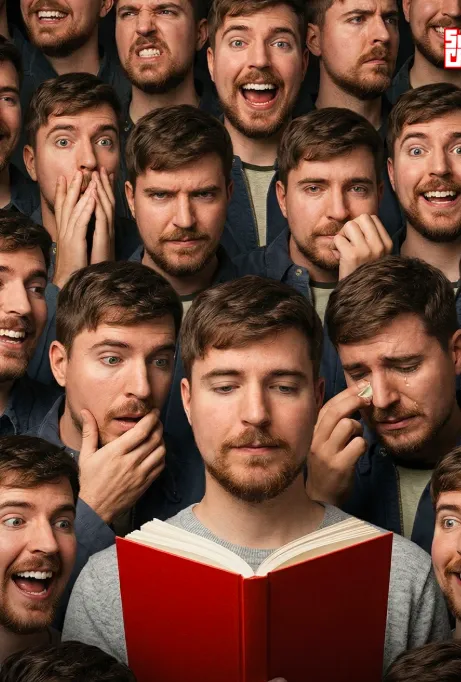
Many Moods One Mind
Om Editing Top: Many Moods One Mind kya hai?
Om Editing Top style ka Many Moods One Mind concept ek hyper-realistic cinematic portrait look hai, jisme ek hi person ke multiple emotional versions ek saath frame mein dikhte hain. Is tarah ka edit un logon ke liye perfect hota hai jo dramatic, storytelling-based, aur visually powerful profile photo ya poster-style image banana chahte hain.
Read Also: cinematic-style realistic portrait | 2026 New Year
Is prompt style ka main idea simple hai: ek hi face ko alag-alag moods ke saath layers mein dikhana, taaki image dekhte hi personality aur emotion ka strong impact aaye. Yeh style content creators, photo editors, AI art users, Instagram creators, YouTube thumbnail designers, aur graphic designers ke kaafi kaam aata hai.
Agar aap “how to create multiple emotion portrait”, “cinematic face composite”, ya “realistic mood collage edit” jaisi look achieve karna chahte hain, to yeh style especially useful hai. Isme realism, expression variety, aur composition ka balance sabse important hota hai.
Is prompt style se aapko kya output milta hai?
Is type ke edit mein ek central subject hota hai jo calm ya focused expression ke saath foreground mein placed hota hai. Uske around same face ke multiple versions background mein layered arrangement mein dikhte hain. Har version alag mood show karta hai—jaise joy, shock, curiosity, fear, sadness, confusion, excitement, deep thought, amusement aur surprise.
Visual effect ka sabse strong part hota hai face consistency. Matlab har version same person jaisa hi lagna chahiye: same hairstyle, same skin tone, same facial structure, aur same overall lighting harmony. Jab yeh sab match karta hai, tab image fake nahi balki cinematic composite portrait jaisi feel deti hai.
Colour palette usually dark background ke against warm skin tones aur soft studio light par based hoti hai. Isse faces aur expressions aur zyada highlight hote hain. Composition dense hoti hai, lekin messy nahi—har face layered feel deta hai aur central subject ki reading pose image ko story-like mood deti hai.
- Hyper-realistic face details aur natural skin texture
- Warm studio lighting with subtle shadows
- Dark, minimal background for strong contrast
- Multiple emotional expressions in one frame
- Central calm figure holding a book for narrative focus
Om Editing Top me is style ko use kaise karein? Step-by-step guide
Agar aap beginner hain, to is style ko mobile par create karna bhi possible hai. Bas aapko sahi reference photo, clear prompt structure, aur realistic face matching par dhyaan dena hoga. Best result tab aata hai jab aap image ko simple rakhein, face ko clearly visible rakhein, aur background ko zyada busy na hone dein.
Sabse pehle aapko ek aisi photo choose karni chahiye jisme face front ya slight angle mein ho, aur facial features sharp dikh rahe hon. Uske baad editing app ya AI generator mein reference image upload karke multi-expression cinematic portrait ka concept apply karein. Composition ko dense rakhein, lekin central subject ko clearly visible rehne dein.
Mobile workflow mein sabse important step hota hai preview check karna. Agar expressions too exaggerated lag rahe hain, to output less natural ho sakta hai. Isliye prompt ya edit settings mein realism, facial consistency, aur soft lighting ko priority deni chahiye.
- Apni best clear portrait photo select karein.
- Ensure karein ki face sharp ho aur blur na ho.
- Editing app ya AI tool mein image upload karein.
- Prompt/style ko multi-expression composite portrait ke hisaab se set karein.
- Central figure ko calm, focused, ya reading pose mein keep karein.
- Background versions ko different emotions ke saath arrange karein.
- Lighting ko soft aur warm rakhein.
- Final output mein face consistency aur contrast check karein.
- Mobile par kaam karte waqt high-resolution image use karein
- Subject face seedha aur clearly visible ho
- Too dark ya too crowded background avoid karein
- Expression variation natural aur believable honi chahiye
Kaunsi photos is style ke liye sabse achchhi hoti hain?
Is edit ke liye sabse achchhi photo woh hoti hai jisme face clear, sharp, aur well-lit ho. Front-facing portrait ya slight three-quarter angle ideal hota hai, kyunki isse AI ya editor ko face consistency maintain karna easy hota hai. Agar photo me eyes aur jawline clearly visible hon, to final composite zyada realistic banta hai.
Lighting bhi bahut important hai. Soft daylight, window light, ya balanced studio-style lighting sabse useful rehti hai. Harsh shadows, overexposure, ya low-light noise se details lose ho sakti hain. Background simple rakhein—plain wall, dark backdrop, ya lightly blurred background best hota hai.
Clothing mein simple aur neutral outfit zyada better kaam karta hai, jaise plain shirt, jacket, ya casual top. Zyada bold prints ya busy patterns attention face se hata sakte hain. Agar aap professional-looking cinematic output chahte hain, to clean composition aur minimal styling hi strongest choice hoti hai.
- Front face ya slight angle portrait
- High-resolution, sharp focus image
- Soft and even lighting
- Plain or minimal background
- Neutral clothing without heavy patterns
- Clear eyes, nose, and jawline visibility
Pro Tips for the Best Results with Om Editing Top
If you want the final image to look polished and cinematic, the details matter a lot. With Om Editing Top, the strongest results usually come when the subject is clear, the face is consistent, and the expressions feel natural instead of forced. The idea is to create a layered emotional portrait, so every small choice in lighting, framing, and facial variation affects the overall balance.
Start by keeping the reference image clean and sharp. A well-lit face with a neutral expression gives the editing style more room to build different moods around it. If the base image already has good lighting and a visible facial structure, the composite looks more believable and professional. That is especially important for portrait edits where consistency across all versions of the same face is the main visual goal.
To get a stronger result, focus on variety without losing identity. The expressions can change a lot, but the subject should still feel like the same person in every version. This is what makes the image interesting: one face, many moods, all working together in a single cinematic frame.
- Use a high-quality reference photo with clear eyes, face shape, and hairstyle.
- Keep the outfit simple so the expressions stay the main focus.
- Ask for warm studio lighting if you want a soft, dramatic look.
- Use a dark or minimal background to make the layered faces stand out.
- Mix emotions carefully so the composition feels dynamic but not chaotic.
- Choose a central pose that feels calm, because it anchors the whole design.
- Maintain natural skin tone and face consistency across all versions.
Another useful tip is to think about spacing. A dense composition can look powerful, but only when the faces remain readable. If the background versions are too crowded without enough contrast, the image may lose clarity. The best Om Editing Top results usually strike a balance between artistic complexity and visual order.
Common Mistakes to Avoid in Om Editing Top
Even a great concept can look weak if a few common mistakes slip in. The biggest issue is usually inconsistency. When the different faces do not resemble the same person closely enough, the entire edit starts to feel disconnected. Since this style depends on identity repetition, the face shape, skin tone, hairstyle, and lighting must remain aligned throughout the composition.
Another mistake is overloading the image with too many extreme expressions. A little variety is good, but if every face is screaming for attention, the central figure loses importance. The best emotional composites still have a focal point. In this case, that calm reader in the center should feel like the anchor, while the surrounding expressions support the story instead of competing with it.
- Do not use a blurry source image, because facial details become harder to preserve.
- Avoid mixing different lighting styles, as it breaks the cinematic realism.
- Do not choose busy backgrounds that distract from the layered portrait effect.
- Skip unnatural hand poses if they look stiff or copied, because they reduce realism.
- Do not change the face structure too much between versions, or the concept feels inconsistent.
- Avoid harsh color clashes that make the edit feel less refined.
It also helps to avoid making the composition too flat. If all versions of the subject are placed in the same visual plane, the image can feel more like a collage than a cinematic portrait. Depth, overlap, and subtle shadowing are what make the style feel premium. For Om Editing Top, that sense of layered dimension is just as important as the emotions themselves.
Best Use Cases and Creative Ideas for Om Editing Top
This style works well wherever you want a portrait to feel expressive, modern, and memorable. It is especially effective for social media because the multiple moods instantly catch attention. If you are building a personal brand, this kind of visual can show personality, complexity, and creativity in one frame. That makes it perfect for profiles that want something more artistic than a standard headshot.
Creators also use this kind of edit for content that needs strong visual impact in a small space. The emotional layering helps thumbnails stand out, and the central figure with the open book adds a thoughtful, story-driven feel. That makes the image useful for self-improvement posts, reading-related content, creative portfolios, and visually rich feed posts.
Here are some of the most practical ways to use Om Editing Top-style images:
- Instagram posts: Great for dramatic portrait content, personal branding, and carousel covers.
- Profile pictures: Use a simplified version if you want an eye-catching avatar with a creative edge.
- YouTube thumbnails: Works well when you want an emotional, curiosity-driven visual.
- Portfolios: Ideal for editors, designers, and photographers showing composite portrait skills.
- Reels covers: Strong for storytelling content, emotion-based edits, and motivational themes.
- Creative posters: Useful for art projects, mood boards, or experimental visual branding.
You can also adapt the same concept for different niches. A calm reading pose can suggest learning, introspection, or focus. A more intense expression set can create a psychological or dramatic theme. That flexibility is one reason this edit style is so popular: it can feel artistic, emotional, intellectual, or cinematic depending on how you shape it.
Variations You Can Try with Om Editing Top
One of the best things about this style is how easily it can be customized. You do not need to keep the same mood every time. By changing the expressions, color palette, and atmosphere, you can turn the same idea into very different visual stories. That makes Om Editing Top useful for testing multiple creative directions without losing the core identity of the portrait.
If you want a softer result, try lighter tones and calmer emotions. If you want something more dramatic, use deeper shadows, stronger contrast, and sharper facial reactions. The setting also matters: a dark studio look feels intense and focused, while a softer background can make the composition feel more personal and reflective.
- Moody version: Add cooler tones, heavier shadows, and more serious expressions.
- Warm version: Use golden lighting, gentle smiles, and a more inviting atmosphere.
- High-energy version: Include excited, surprised, and curious expressions with brighter contrast.
- Introspective version: Keep the central figure calm and reduce the more extreme reactions.
- Seasonal version: Match the colour mood to monsoon blues, autumn browns, or winter greys.
- Cinematic black-background version: Make the faces pop with strong separation and dramatic depth.
You can also experiment with subtle prop changes, as long as they stay natural and do not distract from the face. A book, glasses, or a simple hand gesture can help tell the story more clearly. The important thing is to keep the visual theme coherent so the whole composition still feels like one unified portrait rather than separate ideas placed together.
For creators who like testing styles, this is a great template for exploring emotional storytelling. You can shift from thoughtful to playful, from calm to intense, or from minimal to highly layered. That freedom is what makes Om Editing Top such a strong concept for modern portrait edits.
Final Thoughts on Om Editing Top
Om Editing Top is a powerful style because it combines identity, emotion, and cinematic composition in one image. When done well, it does more than show a face — it tells a story through multiple moods, all connected by one consistent subject. That is what gives this kind of edit its visual strength and makes it so memorable on social media or in a portfolio.
If you want your next portrait edit to feel creative, expressive, and professional, this style is worth trying. Keep the face consistent, choose expressions carefully, and use lighting that supports the mood you want. With the right balance, Om Editing Top can turn a simple reference image into a bold multi-emotion artwork.
💬 Comments