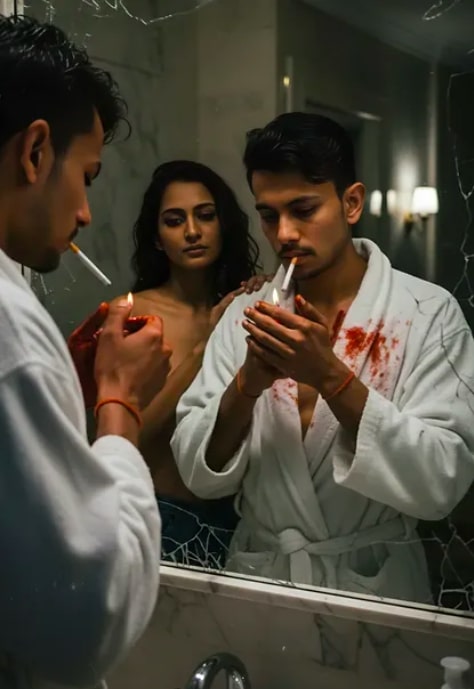
Cinematic Dark Mirror Drama Portrait
Om Editing Top: Cinematic Dark Mirror Drama Portrait ka matlab kya hai?
Om Editing Top style ka yeh cinematic dark mirror drama portrait un logon ke liye hai jo normal selfie ya simple portrait se kuch zyada intense, moody aur film-like look chahte hain. Is type ki editing mein subject ko ek dramatic scene ke andar dikhaya jata hai, jahan light, shadow, mirror reflection aur color tone milkar ek powerful visual story banate hain.
Read Also: cinematic-style realistic portrait | 2026 New Year
Yeh prompt style un creators ke liye useful hai jo Instagram, YouTube thumbnail, reels cover, DP, ya portfolio ke liye striking portrait banana chahte hain. Isme realistic skin texture, low-light atmosphere, aur cinematic composition ka use hota hai taaki photo sirf edited na lage, balki ek scene jaisi feel de. Agar aap AI photo editing, prompt-based image generation, ya cinematic portrait art explore kar rahe hain, to yeh style kaafi useful ho sakta hai.
Is trend ki sabse badi strength yeh hai ki yeh plain photo ko ek dark, stylish, aur emotional frame mein convert kar deta hai. Mirror reflection, side angle, intense mood aur detailed lighting aise elements hote hain jo image ko instantly premium bana dete hain. Om Editing Top style ka focus yahan realism aur drama dono ko balance karna hota hai.
Is This Style photo style mein aapko kya milta hai?
Is style ka final output usually dark cinematic look ke saath aata hai, jahan lighting soft bhi hoti hai aur dramatic bhi. Face aur body details sharp dikhte hain, lekin overall scene mein low-key lighting ka effect hota hai. Isse portrait mein depth aati hai aur subject background se alag, zyada prominent lagta hai.
Mirror-based composition is style ka main visual feature hota hai. Subject ka reflection image ko aur interesting banata hai, kyunki viewer ek hi frame mein direct view aur reflected view dono dekh pata hai. Yeh technique photo ko layered, artistic aur slightly mysterious feel deti hai. Agar lighting sahi ho, to skin texture, hair detail aur surrounding bathroom environment bhi kaafi realistic lagta hai.
Color grading aam taur par muted, desaturated ya warm-dark tones mein hoti hai. Blacks, greys, brown shades aur soft highlights ka use image ko cinematic bana deta hai. Agar aap Om Editing Top look banana chahte hain, to aapko aise elements chahiye jo clean realism aur stylized drama dono ko support karein.
- Low-light cinematic mood
- Sharp facial detail aur skin texture
- Mirror reflection with side-angle framing
- Moody shadows aur soft highlights
- Premium film-like color tone
- Realistic indoor background feel
This Style ko use kaise karein: beginner-friendly step-by-step guide
Agar aap mobile par bhi kaam kar rahe hain, to pehle apni best reference photo select karein. Face clear hona chahiye, light overload ya blur nahi hona chahiye. Is style mein realism important hota hai, isliye front-facing ya slightly angled photo zyada useful hoti hai, taaki AI ya editor subject ki features ko properly preserve kar sake.
Next step mein prompt ya editing concept ko scene ke hisaab se set karein. Aapko darkness, mirror, bathroom setting, dramatic lighting aur realistic texture jaisi cheezein define karni hoti hain. Jitni clear direction hogi, utna output better aayega. Mobile users ke liye best practice yeh hai ki seedhe copy-paste approach ke bajay pehle photo quality aur framing check kar lein.
Final step mein output ko zoom karke verify karein. Check karein ki face natural lag raha hai ya nahi, hands extra to nahi ban rahe, aur reflection believable hai ya nahi. Agar scene too bright ya too busy lag raha ho, to contrast aur shadow balance thoda adjust karein. Om Editing Top portrait ka aim hamesha polished cinematic realism hona chahiye.
- Apni clear aur sharp reference photo choose karein.
- Ensure karein ki face obstructed na ho aur expression natural ho.
- Scene ka mood decide karein: dark, dramatic, or mirror-based.
- Prompt ya editing setup mein lighting aur composition ko clearly define karein.
- Portrait generate ya edit karne ke baad reflection aur body details verify karein.
- Color tone, shadows, aur contrast ko final polish dein.
- Mobile screen par zoom karke edges, hands, aur face alignment check karein.
Kaunsi photos This Style look ke liye best kaam karti hain?
Is style ke liye sabse achchi photos woh hoti hain jisme subject ka face clear, high-resolution aur well-lit ho. Agar original photo bahut dark, blurry ya over-compressed hai, to cinematic output utna strong nahi aata. Aapko aisi image choose karni chahiye jisme jawline, hair, aur facial structure achhe se visible ho.
Angle bhi kaafi important hota hai. Slight side angle ya three-quarter angle mirror drama portraits mein zyada natural lagta hai, kyunki isse face ka depth aur profile better dikhai deta hai. Background plain ya uncluttered ho to subject par focus zyada rehta hai. Clothing mein simple, solid-color outfit ya robe-type look cinematic effect ko support kar sakta hai, kyunki yeh visual chaos kam karta hai.
Lighting mein harsh flash se bachna chahiye. Soft indoor light, window light, ya low-contrast natural light zyada useful hoti hai. Aise photos jisme skin texture visible ho, shadows balanced hon, aur background zyada noisy na ho, Om Editing Top style mein best result dete hain. Agar aap portrait ko premium aur realistic banana chahte hain, to photo selection hi sabse bada step hota hai.
- Angle: slight side angle ya half-profile
- Resolution: high-quality, sharp, and uncompressed image
- Lighting: soft natural light ya controlled indoor light
- Background: simple, clean, and uncluttered
- Clothing: solid colors ya minimal design outfit
- Expression: calm, serious, or intense face better works
Pro tips for the best results with Om Editing Top
For the strongest Om Editing Top output, start with a clear reference photo where the face, hairstyle, and lighting are easy to read. Since this kind of edit depends on realism, a sharp source image helps preserve natural skin texture, jawline detail, and facial structure in the final cinematic look.
It also helps to keep the framing simple and the face fully visible. When you want a dark dramatic portrait, the AI works better if the base image has enough detail in the eyes, hair, and pose. A clean reference gives you a more believable mirror effect, richer shadows, and a more polished cinematic finish.
- Use a high-resolution portrait with good face clarity.
- Choose an image where the hairstyle and facial outline are easy to detect.
- Prefer front-facing or slightly angled shots for better realism.
- Keep the background uncluttered so the dramatic bathroom scene stands out.
- Match the mood of the edit with dark, moody, or low-light reference photos.
- If available, use a portrait where the shoulders and upper body are visible for smoother composition.
Another useful tip is to think about lighting before generating the image. Deep shadows, soft side light, and reflective surfaces usually make this style look more cinematic. With the right setup, Om Editing Top can produce a portrait that feels like a movie still instead of a simple filtered photo.
Common mistakes to avoid in This edits
One of the biggest mistakes is using a blurry or low-quality reference picture. When the face is unclear, the final output often loses expression and detail. That weakens the entire cinematic effect, especially in a mirror-based composition where realism matters a lot.
Another common issue is overloading the prompt with too many conflicting details. If the scene becomes too crowded, the image can look unnatural or distorted. Keeping the visual idea focused makes it easier for Om Editing Top to deliver a balanced and believable result.
- Blurry reference images: They reduce face accuracy and make the portrait look less realistic.
- Too many style directions: Mixing unrelated moods can confuse the composition and weaken the final look.
- Poor lighting in the source photo: Flat lighting can remove the dramatic depth needed for cinematic edits.
- Unnatural poses: Awkward body positions can cause mirror reflections and hands to look incorrect.
- Over-edited base photos: Heavy filters can interfere with skin texture and make the output look artificial.
It is also important not to ignore realism cues like face symmetry, hand placement, and reflection alignment. In a mirror drama portrait, small mistakes become very noticeable. A well-chosen source image gives the generator a stronger starting point and helps the final edit feel more premium.
Best use cases and ideas for This Style
this style is a great fit for people who want bold, cinematic visuals that stand out on social media. This style works especially well for dramatic profile pictures, moody Instagram posts, and eye-catching thumbnail art. The mirror reflection and dark bathroom theme create a strong storytelling feel even in a single image.
You can also use this type of edit for personal branding if you want a powerful, edgy look. It is useful for reels covers, music visuals, and stylized portfolio images where atmosphere matters more than a plain portrait. The result feels intense, modern, and visually memorable.
- Instagram posts: Great for dramatic feeds and cinematic profile aesthetics.
- Profile pictures: Works well when you want a bold, moody identity image.
- Thumbnails: Ideal for attention-grabbing YouTube or short-video covers.
- Portfolio presentation: Useful for showcasing creative portrait editing skills.
- Reels covers: Adds strong visual impact and a film-like feel.
This style is also popular for themed content pages, fan edits, and experimental portrait concepts. Because this prompt gives the image a dark cinematic edge, it can fit storytelling posts, character-inspired edits, and luxury-drama visuals very naturally.
Variations you can try with This Style
Once you get the base look right, you can experiment with different moods and color directions. The same core portrait can feel completely different depending on the lighting, the tone of the bathroom scene, and the atmosphere around the subject. That flexibility is one of the biggest strengths of this look.
For a colder mood, try blue-gray shadows and soft reflective highlights. For a warmer cinematic feel, add amber tones, golden side lighting, or a dim tungsten effect. You can also shift the scene into different seasons or emotional tones to create a fresh version without changing the main concept.
- Moody noir: Deep shadows, black-and-white contrast, and a hard dramatic look.
- Blue cinematic: Cool tones with a tense, modern film atmosphere.
- Warm luxury style: Soft golden light for a richer, premium finish.
- Rainy night mood: Add wet reflections and a more emotional city-film feeling.
- Winter tone: Cooler skin tones and frosty visual depth for a stark dramatic effect.
- Vintage retro look: Slight grain and muted tones for an old-film portrait vibe.
You can also vary the intensity of the scene. Some creators prefer a more subtle mirror portrait, while others want a heavy cinematic drama with stronger contrast and visible film grain. Testing these options helps you discover which version of yeh style matches your content style best.
Conclusion: try This Style for a cinematic mirror portrait
If you want a portrait that feels bold, emotional, and visually powerful, this edit is a strong choice. It blends dark cinematic lighting, realistic detail, and a dramatic mirror-based scene into one standout edit that works well across social platforms.
Try a clean reference photo, experiment with mood and color, and adjust the style until it matches your taste. With the right base image and a thoughtful approach, this style can turn an ordinary portrait into a striking movie-like visual.
💬 Comments